
Phatbird
Styling the Phatbird Way
-
What to Wear to a Wedding This Season (When You Genuinely Don't Know) What to Wear to a Wedding This Season (When You Genuinely Don't Know)
The invite has been on the fridge for three weeks. You said yes without thinking about it, because it was months away and the fridge is a long way from your wardrobe. Now it's Tuesday, the wedding is Saturday, and you're standing in front of the mirror in something that felt right in June and feels completely wrong now.
This is how most people end up buying a dress in a genuine hurry. Not because they left it late on purpose, just because "smart casual" or "no strict dress code" on an invitation tells you almost nothing until you're the one trying to decode it.
The one rule nobody argues with
White and ivory are off the table, full stop, no matter how far the shade sits from the bride's actual dress. It isn't worth the conversation it starts. Past that, though, the old advice to reach for navy every single time is starting to feel a bit tired.
Green has quietly become the answer
Ask anyone who's been to more than a few weddings this year and green keeps coming up, and for good reason. It photographs beautifully in a marquee at 4pm and again under function room lighting at 9pm, which is more than most colours can claim. The Emerald Green Ruffle Fishtail Dress is doing exactly this all season. The fishtail hem does the work a plain skirt can't, and the ruffle detail means you don't need to add anything else to the outfit. One dress, done.
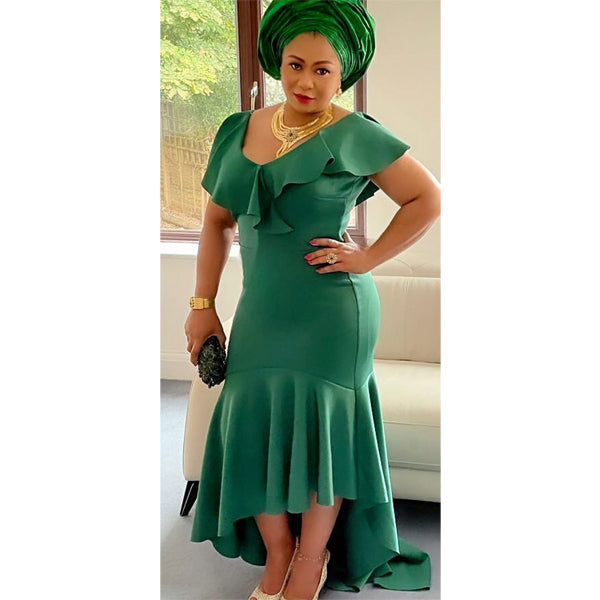
If you want the colour without quite that much drama, hold onto the same idea in a smaller dose. A single green stone bag, or green in the jewellery rather than the dress, gets you the same photographs without needing the whole room to notice you first.
If green isn't you, the safe answer is still a good one
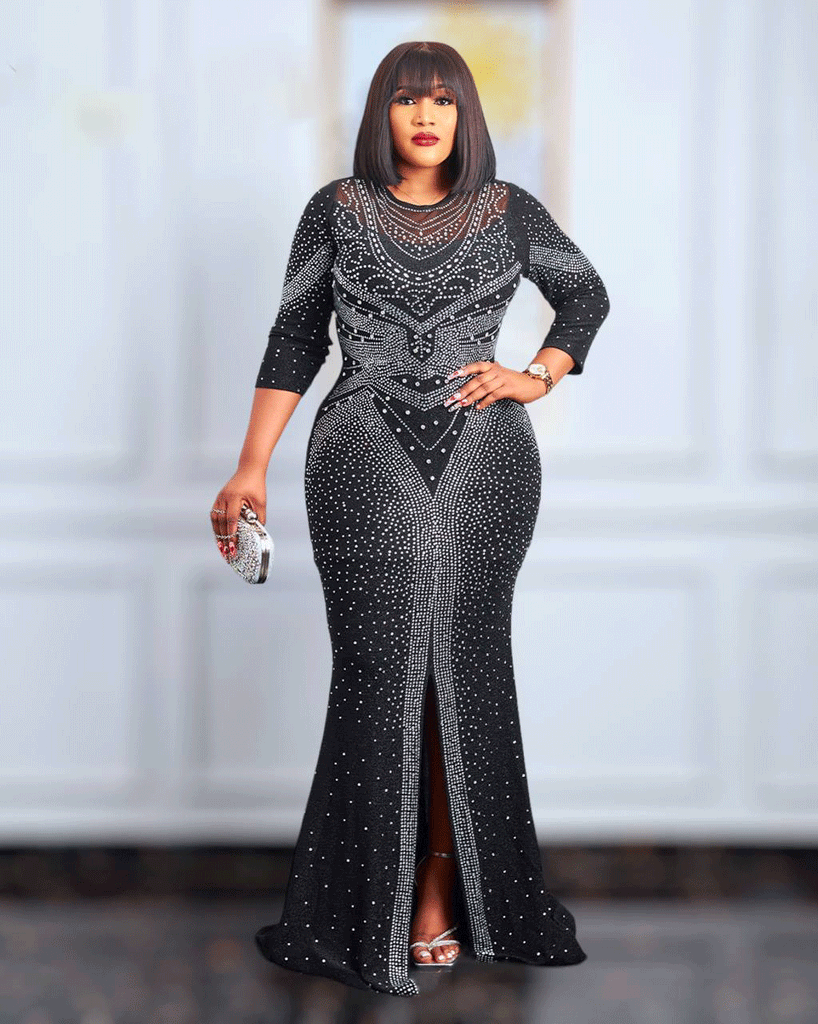
Some people know within about four seconds of trying something on whether it's them, and if green isn't, don't force it for a search trend. The Cleopatra Sequin Black Gown has been one of the most reordered dresses we carry for a reason. Black at a wedding reads as considered rather than boring, especially once the sequin catches any kind of light, and it will do the next four events on your calendar as easily as this one.
One detail can carry the whole outfit
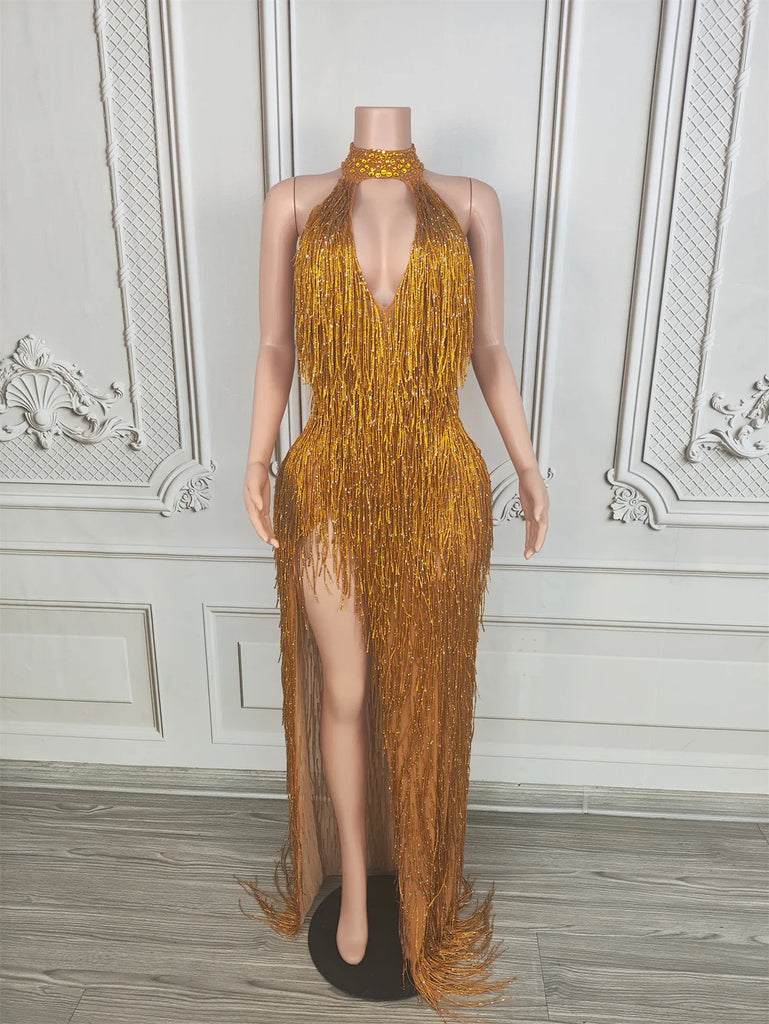
If the dress itself is doing less talking, an accessory can pick up the slack without turning the whole look loud. The Phatbird Shiny Crystals Tassel Dress is built around exactly this idea. The tassels move when you dance, which is the entire point of a tassel, and it means the dress is doing something a static shape never could.
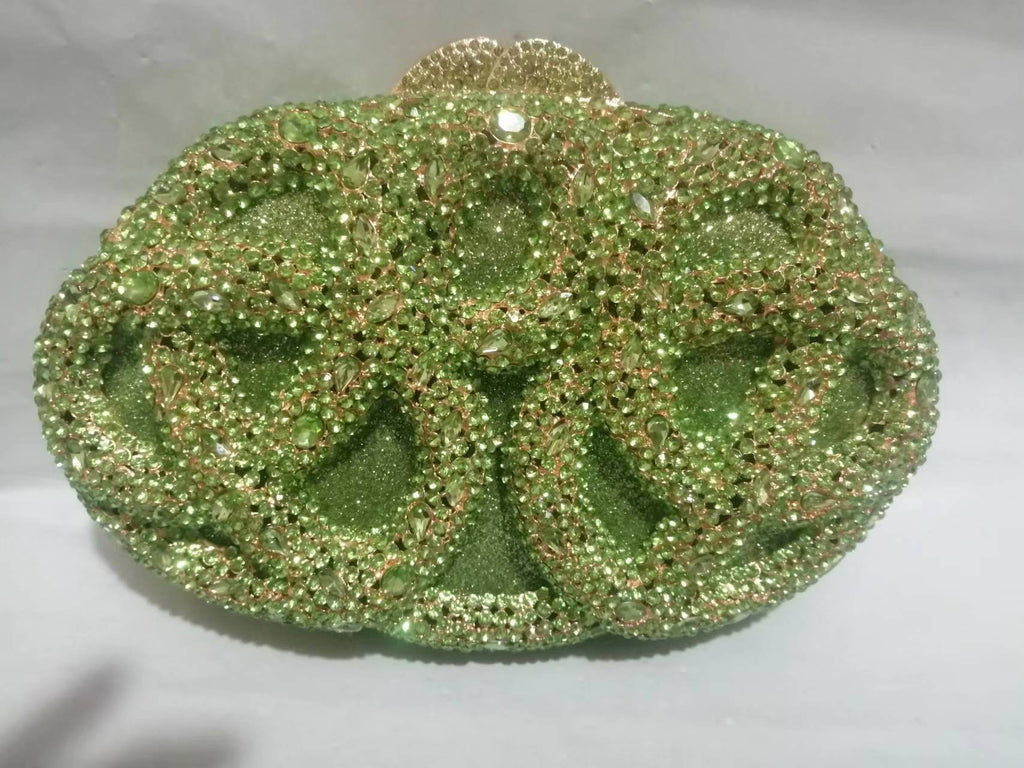
For the days you'd rather keep it simple, the Green Crystal Clutch is a small way to bring the colour in without committing a whole outfit to it. One customer wore it to a wedding and said she was the centre of attention for the bag alone. That's a fairly good return for one accessory.
Three invitations, three answers
The big one, dress code stated clearly. The Emerald Green Ruffle Fishtail Dress or the Cleopatra Sequin Black Gown, whichever one you already know suits you, because this isn't the day to experiment for the first time.
The one with no dress code at all. Lean slightly more dressed up than you think you need to. Guests almost never regret being the best dressed person in the room. They do regret being the most casual one.
The second wedding of the season, same wardrobe as the first. This is what the tassel dress or the clutch are actually for. Same base outfit, one different detail, and nobody at either wedding will clock the repeat.
Getting dressed for a wedding isn't really about finding the most dramatic thing in your wardrobe. It's picking a colour that photographs well on you specifically, in a shape you can sit down and dance in without adjusting it every ten minutes. Green is having a genuine moment this year, but the version of it that suits you will always beat the version that's simply trending.
Have a look through the Effortlessly Elegant Occasion edit, or the full Dresses collection if the date on your calendar is still a way off.
The invite has been on the fridge for three weeks. You said yes without thinking about it, because it was months away and the fridge is a long way from your wardrobe. Now it's Tuesday, the wedding is Saturday, and you're standing in front of the mirror in something that felt right in June and feels completely wrong now.
This is how most people end up buying a dress in a genuine hurry. Not because they left it late on purpose, just because "smart casual" or "no strict dress code" on an invitation tells you almost nothing until you're the one trying to decode it.
The one rule nobody argues with
White and ivory are off the table, full stop, no matter how far the shade sits from the bride's actual dress. It isn't worth the conversation it starts. Past that, though, the old advice to reach for navy every single time is starting to feel a bit tired.
Green has quietly become the answer
Ask anyone who's been to more than a few weddings this year and green keeps coming up, and for good reason. It photographs beautifully in a marquee at 4pm and again under function room lighting at 9pm, which is more than most colours can claim. The Emerald Green Ruffle Fishtail Dress is doing exactly this all season. The fishtail hem does the work a plain skirt can't, and the ruffle detail means you don't need to add anything else to the outfit. One dress, done.
If you want the colour without quite that much drama, hold onto the same idea in a smaller dose. A single green stone bag, or green in the jewellery rather than the dress, gets you the same photographs without needing the whole room to notice you first.
If green isn't you, the safe answer is still a good one
Some people know within about four seconds of trying something on whether it's them, and if green isn't, don't force it for a search trend. The Cleopatra Sequin Black Gown has been one of the most reordered dresses we carry for a reason. Black at a wedding reads as considered rather than boring, especially once the sequin catches any kind of light, and it will do the next four events on your calendar as easily as this one.
One detail can carry the whole outfit
If the dress itself is doing less talking, an accessory can pick up the slack without turning the whole look loud. The Phatbird Shiny Crystals Tassel Dress is built around exactly this idea. The tassels move when you dance, which is the entire point of a tassel, and it means the dress is doing something a static shape never could.
For the days you'd rather keep it simple, the Green Crystal Clutch is a small way to bring the colour in without committing a whole outfit to it. One customer wore it to a wedding and said she was the centre of attention for the bag alone. That's a fairly good return for one accessory.
Three invitations, three answers
The big one, dress code stated clearly. The Emerald Green Ruffle Fishtail Dress or the Cleopatra Sequin Black Gown, whichever one you already know suits you, because this isn't the day to experiment for the first time.
The one with no dress code at all. Lean slightly more dressed up than you think you need to. Guests almost never regret being the best dressed person in the room. They do regret being the most casual one.
The second wedding of the season, same wardrobe as the first. This is what the tassel dress or the clutch are actually for. Same base outfit, one different detail, and nobody at either wedding will clock the repeat.
Getting dressed for a wedding isn't really about finding the most dramatic thing in your wardrobe. It's picking a colour that photographs well on you specifically, in a shape you can sit down and dance in without adjusting it every ten minutes. Green is having a genuine moment this year, but the version of it that suits you will always beat the version that's simply trending.
Have a look through the Effortlessly Elegant Occasion edit, or the full Dresses collection if the date on your calendar is still a way off.
-
HOW TO PICK THE RIGHT BAG FOR THE OCCASION (WITHOUT OWNING TWENTY OF THEM HOW TO PICK THE RIGHT BAG FOR THE OCCASION (WITHOUT OWNING TWENTY OF THEM
HOW TO PICK THE RIGHT BAG FOR THE OCCASION (WITHOUT OWNING TWENTY OF THEM)

You said yes to the wedding back in June. It felt comfortably far away. The dress has been hanging on the back of the door for a fortnight now, the shoes are sorted, and then somewhere around the second week of not thinking about it you realise you have nothing to carry.
This is how most bags get bought. Not calmly, months ahead, but in a slightly panicked hour on a Tuesday evening with a date circled on the calendar. The whole 3–5 Days Delivery exists for that hour.
A minaudière is the safest thing you can order in a hurry
There is a reason the hard-cased evening clutch has survived about a century of changing taste. It has no strap to sit wrong, no slouch to go shapeless, and no fit to get lost. It is a small hard box that either suits your dress or does not, and you can tell from a photograph.
The Amber Cabochon Minaudière is the warmer of the two we carry, domed stones in an amber tone that sits beautifully against black, and against the deep greens and burgundies people actually wear to autumn weddings.

The Sterling Prism Minaudière is the cooler one, silver with faceted stones that throw light in a different way, sharper, more scattered. Silver is the more forgiving choice if you are not certain what the dress will look like under function-room lighting.
Both open on a hasp and neither has an interior pocket, which is worth knowing before you order. Everything inside will rattle around together. Take a phone, a card, a lipstick, and leave the rest in the car.
If the dress is already doing a lot, the bag should hold the strap

The practical flaw in a clutch is that it needs a hand, and at a wedding your hands are busy. There is a plate, there is a glass, there are people to hug, and there is the moment somebody hands you a baby without asking.
The Metal Frame Shell Handbag with Pearl Strap solves it without looking like a compromise. The pearl strap lets it hang at the wrist, so it reads as an evening bag but behaves like one you can forget about. The frame keeps its shape all night, which matters in photographs — a soft bag photographs crumpled.
The Rhinestone Bow Clutch works on the same principle, with the detail concentrated in one bow rather than spread across the whole body. If your dress is embellished, this is the one that will not fight it.
One stone bag will cover most of what you get invited to

If you are buying one thing and want it to work for the next four events rather than this one, go multi-coloured. The Multi Stones Crystal Clutch picks up whatever colour it is standing next to, which means it goes with the emerald dress in October and the burgundy one at Christmas.
The Gold Flower Crystal Clutch does something similar with a warmer bias, and suits gold jewellery better than silver — worth thinking about if you never take your everyday rings off.
Not every rush is an evening rush

Sometimes the deadline is a new job, or a trip, or simply the morning your old bag finally gives up at the seam. The Large Capacity Tote takes a laptop sleeve, a bottle and a folder without straining at the zip, and the soft body sits flat against your side over a coat instead of swinging about.
At the other end of the scale, the Half Moon Underarm Shoulder Bag in white or pink sits high and tucked under the arm on a short strap. Phone, keys, card holder. It is the bag for the day you want to walk about unencumbered and still look like you meant it.
And the Flower Woven Bag is the one to grab if the deadline is a holiday. Applied fabric flowers, ring handles, open top, light for its size.
Three invitations, three answers
The wedding. Pearl strap or a minaudière. Something that hangs or something small enough to hold without thinking. Nothing that needs a whole hand for six hours.
The dinner. Multi-coloured stones, so it works again in three months with a different dress. This is the one worth spending on.
The Monday morning. A tote that holds a laptop, or a half moon that holds almost nothing. There is no middle ground here and pretending otherwise is how people end up with four bags they never carry.
A bag bought in a hurry is not automatically a bag bought badly. It just means the decision got made in one evening rather than dragged out over a month, and honestly the result is often better. You know exactly what you need it to do, and there is no time to talk yourself into something you will never carry.
Have a look through the 3–5 Days Delivery , where the dresses and shoes sit alongside the bags, or the wider Bags collection if the date on your calendar is further off.
HOW TO PICK THE RIGHT BAG FOR THE OCCASION (WITHOUT OWNING TWENTY OF THEM)
You said yes to the wedding back in June. It felt comfortably far away. The dress has been hanging on the back of the door for a fortnight now, the shoes are sorted, and then somewhere around the second week of not thinking about it you realise you have nothing to carry.
This is how most bags get bought. Not calmly, months ahead, but in a slightly panicked hour on a Tuesday evening with a date circled on the calendar. The whole 3–5 Days Delivery exists for that hour.
A minaudière is the safest thing you can order in a hurry
There is a reason the hard-cased evening clutch has survived about a century of changing taste. It has no strap to sit wrong, no slouch to go shapeless, and no fit to get lost. It is a small hard box that either suits your dress or does not, and you can tell from a photograph.
The Amber Cabochon Minaudière is the warmer of the two we carry, domed stones in an amber tone that sits beautifully against black, and against the deep greens and burgundies people actually wear to autumn weddings.
The Sterling Prism Minaudière is the cooler one, silver with faceted stones that throw light in a different way, sharper, more scattered. Silver is the more forgiving choice if you are not certain what the dress will look like under function-room lighting.
Both open on a hasp and neither has an interior pocket, which is worth knowing before you order. Everything inside will rattle around together. Take a phone, a card, a lipstick, and leave the rest in the car.
If the dress is already doing a lot, the bag should hold the strap
The practical flaw in a clutch is that it needs a hand, and at a wedding your hands are busy. There is a plate, there is a glass, there are people to hug, and there is the moment somebody hands you a baby without asking.
The Metal Frame Shell Handbag with Pearl Strap solves it without looking like a compromise. The pearl strap lets it hang at the wrist, so it reads as an evening bag but behaves like one you can forget about. The frame keeps its shape all night, which matters in photographs — a soft bag photographs crumpled.
The Rhinestone Bow Clutch works on the same principle, with the detail concentrated in one bow rather than spread across the whole body. If your dress is embellished, this is the one that will not fight it.
One stone bag will cover most of what you get invited to
If you are buying one thing and want it to work for the next four events rather than this one, go multi-coloured. The Multi Stones Crystal Clutch picks up whatever colour it is standing next to, which means it goes with the emerald dress in October and the burgundy one at Christmas.
The Gold Flower Crystal Clutch does something similar with a warmer bias, and suits gold jewellery better than silver — worth thinking about if you never take your everyday rings off.
Not every rush is an evening rush
Sometimes the deadline is a new job, or a trip, or simply the morning your old bag finally gives up at the seam. The Large Capacity Tote takes a laptop sleeve, a bottle and a folder without straining at the zip, and the soft body sits flat against your side over a coat instead of swinging about.
At the other end of the scale, the Half Moon Underarm Shoulder Bag in white or pink sits high and tucked under the arm on a short strap. Phone, keys, card holder. It is the bag for the day you want to walk about unencumbered and still look like you meant it.
And the Flower Woven Bag is the one to grab if the deadline is a holiday. Applied fabric flowers, ring handles, open top, light for its size.
Three invitations, three answers
The wedding. Pearl strap or a minaudière. Something that hangs or something small enough to hold without thinking. Nothing that needs a whole hand for six hours.
The dinner. Multi-coloured stones, so it works again in three months with a different dress. This is the one worth spending on.
The Monday morning. A tote that holds a laptop, or a half moon that holds almost nothing. There is no middle ground here and pretending otherwise is how people end up with four bags they never carry.
A bag bought in a hurry is not automatically a bag bought badly. It just means the decision got made in one evening rather than dragged out over a month, and honestly the result is often better. You know exactly what you need it to do, and there is no time to talk yourself into something you will never carry.
Have a look through the 3–5 Days Delivery , where the dresses and shoes sit alongside the bags, or the wider Bags collection if the date on your calendar is further off.
-
How to Style Aso Oke in the UK Without It Feeling Like a Costume How to Style Aso Oke in the UK Without It Feeling Like a Costume

Some of us have a piece of aso oke we barely wear. It comes out for a wedding, gets photographed, goes back into the garment bag and waits another year. Not because we don't love it. Because we can't quite picture it on the school run.
And the worry underneath that is usually the same one: will I look like I'm in costume?
It's a fair thing to wonder, but it has less to do with the cloth than with how most of us learned to wear it. Full ceremonial set, head to toe, gele included. Wear it that way on a Tuesday and of course you'll feel overdressed for your own life. Wear it a different way and it simply looks like very good clothing.
A quick word on the cloth
Aso oke is woven by hand in narrow strips, then joined edge to edge, which is where that lovely seam running through a finished panel comes from. In Yoruba tradition it belongs to the big days: weddings, naming ceremonies, chieftaincy titles. That's exactly why wearing it casually can feel a little cheeky at first.
But cloth that leaves the house once a year isn't really being honoured. It's being stored. Silk made the same journey into everyday wardrobes, and so did cashmere, and nobody thinks less of either.
Start with one piece and let it be the loudest thing
Costume happens when everything is competing. Patterned cloth, patterned headwrap, statement bag, embellished shoe, and a full stack of gold. On their own they're all beautiful. Together they announce an event.
Pick one aso oke piece and build the rest of the outfit around it in the dullest colours you own. Black, ivory, chocolate, charcoal. There's usually a metallic thread already running through the weave, so let that be your accent and skip the second one. The Premium Aso Oke Patch Dress works this way. The patchwork does all the talking, and one pair of earrings finishes it.

Put it in a shape people already recognise
Traditional cloth reads as contemporary the moment it arrives in a silhouette from the high street. A kimono is still a kimono. This is why the Jubilee kimonos in blue, red and green are such an easy place to start. Thrown open over a black roll-neck and straight-leg jeans, the thing behaves like a coat that happens to be extraordinary. Nobody asks what the occasion is. They ask where you got it.
Your shoes decide what the outfit means
Same dress, two completely different messages. Heels, clutch and gele and you're a wedding guest. Clean white trainers and a structured tote and you're a woman with taste, going about her day.
For daytime, reach for loafers, flat leather sandals, low-profile trainers, or a block heel you can actually walk in. Save the pointed stiletto for when you do want the ceremony. That one swap will take you further than anything else here.
Dress for British weather, not Lagos weather
Half the costume problem is that we picture aso oke in Nigerian sunshine and then try to wear it in Manchester in February. It stops feeling natural because you're cold, and you look it.
• Underneath: a fine-knit roll-neck, a long-sleeved base layer, opaque tights.
• Over the top: a longline wool coat or trench left open, so a panel of the weave shows at the front. Aso oke peeking out from under a camel coat is one of the best looks available to anyone in this country.
• On your feet: proper boots. Ankle boots under a tasselled hem look deliberate, not like a compromise.
The Jubilee Afro Aso Oke with Mid Tassels layers especially well, because the tassels sit high enough to stay visible under outerwear.
The gele can stay home
A gele is a full statement with its own grammar, and worn with everyday clothes it pulls the whole look straight back towards ceremony. Leaving it off isn't a betrayal. It's a styling decision.
A sleek bun, a blowout, braids down, or a plain silk headwrap that picks up one colour from the weave will do. Then when you do bring out the proper gele, it lands twice as hard.
Fit does more work than fabric
Handwoven cloth has body. It holds its own shape instead of draping over yours, so a bad fit shows up faster here than it would in jersey. On a curvy frame, slightly too small doesn't read as tight, it reads as stiff, and stiff is the thing that looks like costume. Our aso oke runs in 12–16 and 18–22, cut with real ease rather than a straight size scaled up. If you're between the two, go with your widest measurement. Aso oke doesn't give.
Three ways to wear it this week
Tuesday. Jubilee Green Kimono open over a black roll-neck and black jeans. White trainers, small gold hoops, structured tote. A coat outfit, not an event outfit.
Dinner. Jubilee Colour Aso Oke Dress with Tassels, block-heel mules, one cuff, hair back. Nothing else. The tassels move when you do, which is the whole point.
The occasion. Premium Aso Oke Patch Dress, heeled sandal, matching jewellery, gele. This is the one time you turn everything up, because now the context matches.
Aso oke stops feeling like a costume the moment you stop saving it. The women who wear it best in London and Birmingham and Glasgow aren't styling it more cleverly than the rest of us. They're just wearing it more often. By the third time that kimono goes to the office it isn't a statement anymore. It's your coat.
Have a look through the Aso Oke edit, or the wider Afro Luxé Collection for Batik and Mikado pieces that work the same way.
Some of us have a piece of aso oke we barely wear. It comes out for a wedding, gets photographed, goes back into the garment bag and waits another year. Not because we don't love it. Because we can't quite picture it on the school run.
And the worry underneath that is usually the same one: will I look like I'm in costume?
It's a fair thing to wonder, but it has less to do with the cloth than with how most of us learned to wear it. Full ceremonial set, head to toe, gele included. Wear it that way on a Tuesday and of course you'll feel overdressed for your own life. Wear it a different way and it simply looks like very good clothing.
A quick word on the cloth
Aso oke is woven by hand in narrow strips, then joined edge to edge, which is where that lovely seam running through a finished panel comes from. In Yoruba tradition it belongs to the big days: weddings, naming ceremonies, chieftaincy titles. That's exactly why wearing it casually can feel a little cheeky at first.
But cloth that leaves the house once a year isn't really being honoured. It's being stored. Silk made the same journey into everyday wardrobes, and so did cashmere, and nobody thinks less of either.
Start with one piece and let it be the loudest thing
Costume happens when everything is competing. Patterned cloth, patterned headwrap, statement bag, embellished shoe, and a full stack of gold. On their own they're all beautiful. Together they announce an event.
Pick one aso oke piece and build the rest of the outfit around it in the dullest colours you own. Black, ivory, chocolate, charcoal. There's usually a metallic thread already running through the weave, so let that be your accent and skip the second one. The Premium Aso Oke Patch Dress works this way. The patchwork does all the talking, and one pair of earrings finishes it.
Put it in a shape people already recognise
Traditional cloth reads as contemporary the moment it arrives in a silhouette from the high street. A kimono is still a kimono. This is why the Jubilee kimonos in blue, red and green are such an easy place to start. Thrown open over a black roll-neck and straight-leg jeans, the thing behaves like a coat that happens to be extraordinary. Nobody asks what the occasion is. They ask where you got it.
Your shoes decide what the outfit means
Same dress, two completely different messages. Heels, clutch and gele and you're a wedding guest. Clean white trainers and a structured tote and you're a woman with taste, going about her day.
For daytime, reach for loafers, flat leather sandals, low-profile trainers, or a block heel you can actually walk in. Save the pointed stiletto for when you do want the ceremony. That one swap will take you further than anything else here.
Dress for British weather, not Lagos weather
Half the costume problem is that we picture aso oke in Nigerian sunshine and then try to wear it in Manchester in February. It stops feeling natural because you're cold, and you look it.
• Underneath: a fine-knit roll-neck, a long-sleeved base layer, opaque tights.
• Over the top: a longline wool coat or trench left open, so a panel of the weave shows at the front. Aso oke peeking out from under a camel coat is one of the best looks available to anyone in this country.
• On your feet: proper boots. Ankle boots under a tasselled hem look deliberate, not like a compromise.
The Jubilee Afro Aso Oke with Mid Tassels layers especially well, because the tassels sit high enough to stay visible under outerwear.
The gele can stay home
A gele is a full statement with its own grammar, and worn with everyday clothes it pulls the whole look straight back towards ceremony. Leaving it off isn't a betrayal. It's a styling decision.
A sleek bun, a blowout, braids down, or a plain silk headwrap that picks up one colour from the weave will do. Then when you do bring out the proper gele, it lands twice as hard.
Fit does more work than fabric
Handwoven cloth has body. It holds its own shape instead of draping over yours, so a bad fit shows up faster here than it would in jersey. On a curvy frame, slightly too small doesn't read as tight, it reads as stiff, and stiff is the thing that looks like costume. Our aso oke runs in 12–16 and 18–22, cut with real ease rather than a straight size scaled up. If you're between the two, go with your widest measurement. Aso oke doesn't give.
Three ways to wear it this week
Tuesday. Jubilee Green Kimono open over a black roll-neck and black jeans. White trainers, small gold hoops, structured tote. A coat outfit, not an event outfit.
Dinner. Jubilee Colour Aso Oke Dress with Tassels, block-heel mules, one cuff, hair back. Nothing else. The tassels move when you do, which is the whole point.
The occasion. Premium Aso Oke Patch Dress, heeled sandal, matching jewellery, gele. This is the one time you turn everything up, because now the context matches.
Aso oke stops feeling like a costume the moment you stop saving it. The women who wear it best in London and Birmingham and Glasgow aren't styling it more cleverly than the rest of us. They're just wearing it more often. By the third time that kimono goes to the office it isn't a statement anymore. It's your coat.
Have a look through the Aso Oke edit, or the wider Afro Luxé Collection for Batik and Mikado pieces that work the same way.
-
Inclusive Fashion in the UK: Why Plus-Size Style Deserves the Spotlight Inclusive Fashion in the UK: Why Plus-Size Style Deserves the Spotlight

The UK fashion industry is undergoing a long-overdue shift. For years, women’s fashion followed narrow standards that failed to reflect the diversity of real bodies. Today, inclusive fashion is no longer a niche conversation, it has become a central expectation among modern consumers.
Women want clothing that fits well, feels comfortable, and reflects their personal style regardless of size. This growing demand has placed plus-size fashion at the heart of the industry’s evolution, challenging brands to rethink how they design, market, and define style.
Inclusive fashion is not about creating separate categories for different body types. It is about designing thoughtfully from the start, ensuring garments work beautifully across sizes while maintaining structure, elegance, and trend relevance.
The Rise of Inclusive Fashion in the UK
UK consumers are more informed and intentional than ever. Shoppers are actively supporting brands that reflect their values authenticity, representation, and confidence. As a result, inclusive fashion has become a marker of credibility rather than a marketing add-on.
This shift is especially significant for plus-size women, who have historically been underserved by mainstream fashion. Today’s consumers are rejecting poorly fitted designs and limited options in favour of brands that prioritise real bodies and real lifestyles.
Inclusive fashion acknowledges that women are not one-size-fits-all and neither should style be.
Why Plus-Size Fashion Matters
Plus-size fashion is not a trend; it is a necessity. A significant portion of women fall outside traditional size ranges, yet for years their options were limited, outdated, or poorly constructed.
Modern plus-size fashion focuses on:
• Proper fit rather than size scaling
• Contemporary silhouettes rather than oversized concealment
• Quality fabrics that support comfort and confidence
When brands design with intention, plus-size fashion becomes empowering rather than restrictive.
Redefining Style Through Inclusivity
Style is about expression, not limitation. Inclusive fashion allows women to dress in ways that align with their identity, lifestyle, and confidence.
As more brands embrace inclusivity, the definition of fashion authority is changing. Authority now belongs to brands that understand women not just trends.
Phatbird reflects this evolution by focusing on sleek, wearable designs that celebrate curves while remaining accessible to women of all shapes.
The Future of Inclusive Fashion
Inclusive fashion is shaping the future of women’s style in the UK and across Europe. Brands that prioritise thoughtful design, representation, and confidence will continue to lead the industry forward.
Fashion that works for real women is no longer optional, it is the standard.
The UK fashion industry is undergoing a long-overdue shift. For years, women’s fashion followed narrow standards that failed to reflect the diversity of real bodies. Today, inclusive fashion is no longer a niche conversation, it has become a central expectation among modern consumers.
Women want clothing that fits well, feels comfortable, and reflects their personal style regardless of size. This growing demand has placed plus-size fashion at the heart of the industry’s evolution, challenging brands to rethink how they design, market, and define style.
Inclusive fashion is not about creating separate categories for different body types. It is about designing thoughtfully from the start, ensuring garments work beautifully across sizes while maintaining structure, elegance, and trend relevance.
The Rise of Inclusive Fashion in the UK
UK consumers are more informed and intentional than ever. Shoppers are actively supporting brands that reflect their values authenticity, representation, and confidence. As a result, inclusive fashion has become a marker of credibility rather than a marketing add-on.
This shift is especially significant for plus-size women, who have historically been underserved by mainstream fashion. Today’s consumers are rejecting poorly fitted designs and limited options in favour of brands that prioritise real bodies and real lifestyles.
Inclusive fashion acknowledges that women are not one-size-fits-all and neither should style be.
Why Plus-Size Fashion Matters
Plus-size fashion is not a trend; it is a necessity. A significant portion of women fall outside traditional size ranges, yet for years their options were limited, outdated, or poorly constructed.
Modern plus-size fashion focuses on:
• Proper fit rather than size scaling
• Contemporary silhouettes rather than oversized concealment
• Quality fabrics that support comfort and confidence
When brands design with intention, plus-size fashion becomes empowering rather than restrictive.
Redefining Style Through Inclusivity
Style is about expression, not limitation. Inclusive fashion allows women to dress in ways that align with their identity, lifestyle, and confidence.
As more brands embrace inclusivity, the definition of fashion authority is changing. Authority now belongs to brands that understand women not just trends.
Phatbird reflects this evolution by focusing on sleek, wearable designs that celebrate curves while remaining accessible to women of all shapes.
The Future of Inclusive Fashion
Inclusive fashion is shaping the future of women’s style in the UK and across Europe. Brands that prioritise thoughtful design, representation, and confidence will continue to lead the industry forward.
Fashion that works for real women is no longer optional, it is the standard.
-
Style Without Limits: How to Build a Sleek Wardrobe for Every Body Type Style Without Limits: How to Build a Sleek Wardrobe for Every Body Type

Style is not defined by size, it is defined by confidence, balance, and intentional choices. Building a sleek wardrobe is about understanding what works for your body and selecting pieces that make you feel empowered.
Inclusive fashion allows women to embrace style without limitations, proving that great fashion principles apply to everyone.
The Importance of Balance and Proportion
A sleek wardrobe is built on balance. Mixing fitted and relaxed silhouettes creates harmony and enhances overall appearance.
Key styling principles include:
• Pairing structured pieces with softer fabrics
• Defining the waist for visual balance
• Choosing cuts that complement body shape
These principles work across sizes and styles.
Investing in Versatile Staples
Every wardrobe benefits from timeless essentials. Versatile pieces allow for easy styling and long-term wear.
Staples may include:
• Well-tailored dresses
• Structured tops
• Comfortable yet polished trousers
These items form the foundation of a confident wardrobe.
Dressing for Confidence
Confidence is the most important element of style. Clothing should support movement, comfort, and self-expression. When women feel comfortable in what they wear, style becomes effortless.
Building a Wardrobe That Reflects You
A wardrobe should reflect individuality, lifestyle, and confidence. With the right pieces and styling principles, every woman can build a wardrobe that feels both stylish and empowering.
Style is not defined by size, it is defined by confidence, balance, and intentional choices. Building a sleek wardrobe is about understanding what works for your body and selecting pieces that make you feel empowered.
Inclusive fashion allows women to embrace style without limitations, proving that great fashion principles apply to everyone.
The Importance of Balance and Proportion
A sleek wardrobe is built on balance. Mixing fitted and relaxed silhouettes creates harmony and enhances overall appearance.
Key styling principles include:
• Pairing structured pieces with softer fabrics
• Defining the waist for visual balance
• Choosing cuts that complement body shape
These principles work across sizes and styles.
Investing in Versatile Staples
Every wardrobe benefits from timeless essentials. Versatile pieces allow for easy styling and long-term wear.
Staples may include:
• Well-tailored dresses
• Structured tops
• Comfortable yet polished trousers
These items form the foundation of a confident wardrobe.
Dressing for Confidence
Confidence is the most important element of style. Clothing should support movement, comfort, and self-expression. When women feel comfortable in what they wear, style becomes effortless.
Building a Wardrobe That Reflects You
A wardrobe should reflect individuality, lifestyle, and confidence. With the right pieces and styling principles, every woman can build a wardrobe that feels both stylish and empowering.